
Recovery, Risk, and the Fast Out
The Brass VerdictThis thread connects Haller’s and Henson’s recovery to the novel’s portrayal of addiction as an ongoing vulnerability rather than a resolved backstory.
increasing Bearing strength in each event
 decreasing
Bearing strength in each eventdecreasingPain Becomes Dependence
The Body and the Drug
Injury and medication
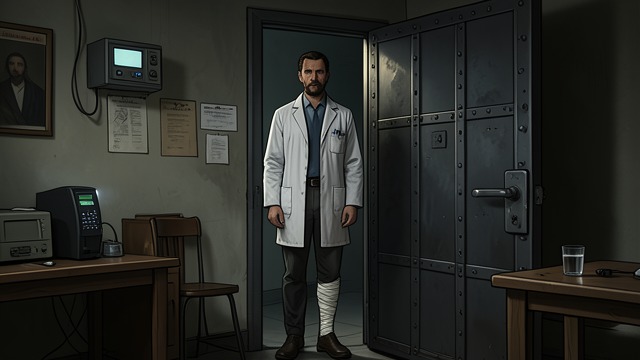
Haller’s gunshot wound and later surgical complications leave him in chronic pain. Prescription opioids move from medical treatment into dependence, narrowing his life around numbness and relief.
Damage beyond the body
His addiction harms his professional stability and family relationships. The year away from practice is not merely a career pause but an attempt to survive the consequences of his own dependence.
Henson’s Lost Future
A Career Collapses
Injury and isolation
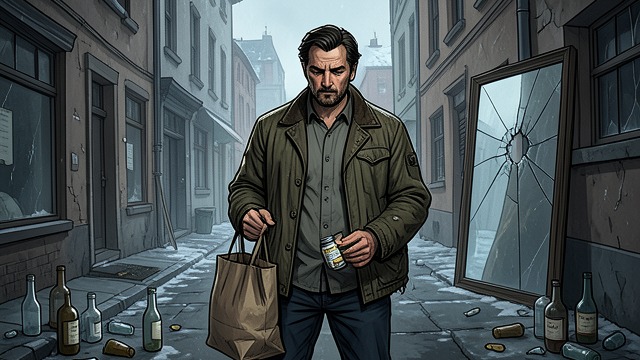
Henson’s surfing injury leads to oxycodone dependence, lost sponsorships, and an inability to compete. As his resources disappear, he steals to maintain access to pills.
Shame after sobriety
He has completed treatment by the time Haller meets him, but he is homeless and without a clear future. His recovery is real but precarious, with practical insecurity threatening to undermine it.
The Shared Photograph
Recognition Through Damage
Haller’s evidence of the past
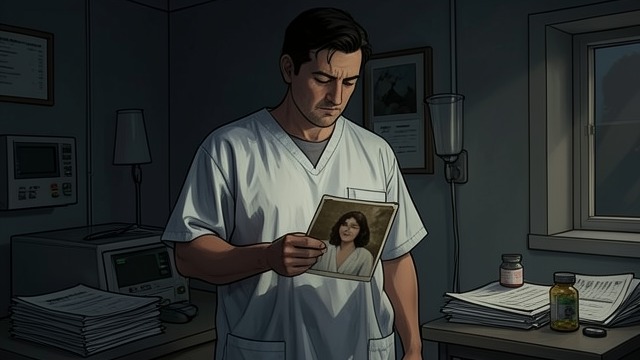
Haller shows Henson a hospital photograph from his own period of severe addiction. He describes driving his young daughter while dangerously impaired.
No easy absolution
The image gives Henson companionship without making his theft harmless. Haller’s honesty makes it possible to discuss responsibility and recovery without pretending that shame alone can repair what addiction damaged.
The Fast Out Returns
A Destructive Idea
Relapse as escape
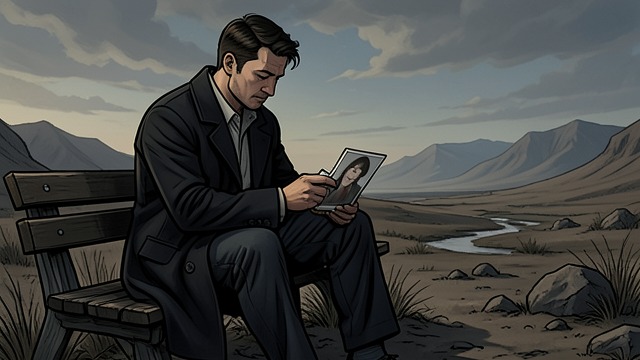
After Elliot reveals his crimes, Haller feels bruised and wants the distance pills once provided. He considers the emotional numbness that once seemed easier than facing reality.
Another person’s crisis
Elaine Ross’s possible relapse calls him to Fryman Canyon, where he is ambushed. The episode reveals that concern for another recovering addict can coexist with Haller’s own vulnerability and exposure to danger.
Choosing the Next Day
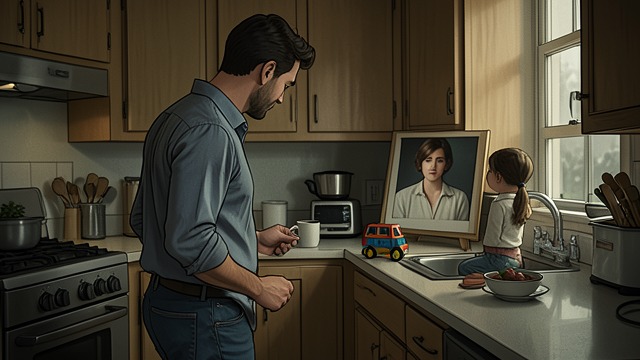
Recovery Without a Grand Resolution
A family morning
Bosch visits Haller before Hayley goes to school. Haller speaks with his brother, then returns to the ordinary responsibility of getting his daughter ready.
One day at a time
The novel offers no declaration that every problem is healed. Haller remains uncertain about law, family, and sobriety, but he stays present rather than retreating into the old distance.
Before Haller leaves practice
Before Henson’s arrest
On the first drive to Malibu
The night after Haller’s client confesses
Thursday morning after the arrests are arranged
